
Screen Printing vs DTG: Which Method Is Right for Your Custom Shirts?
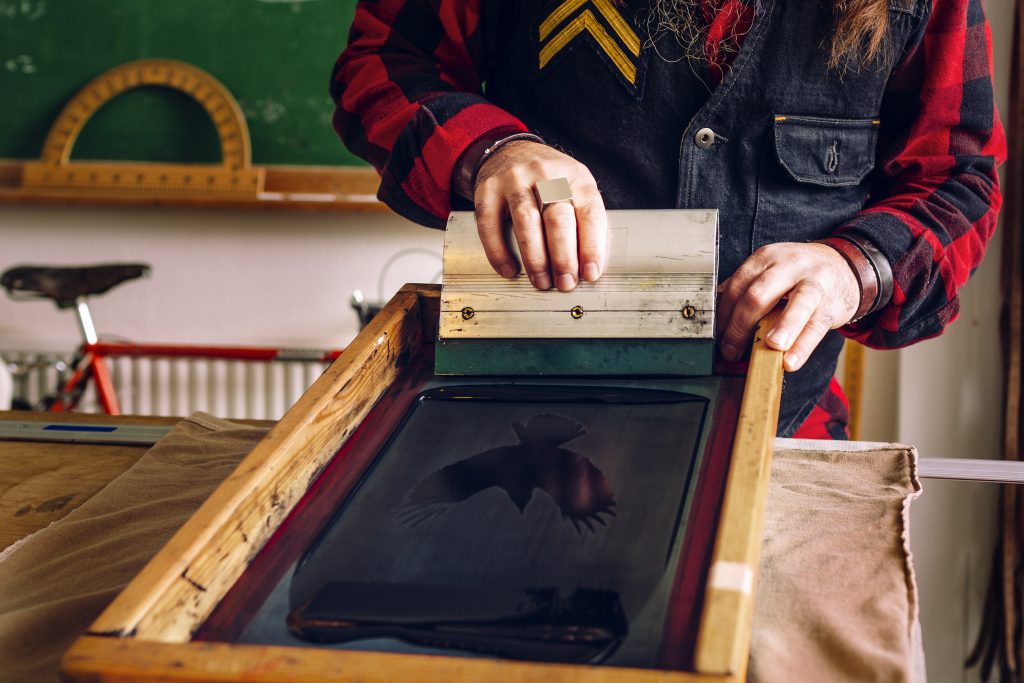
When it comes to creating custom t-shirts, choosing between screen printing and direct-to-garment (DTG) printing can feel overwhelming. Both methods produce quality results, but they work best in different situations. Understanding the key differences will help you make the right choice for your project and budget. What Is Screen Printing? Screen printing is a traditional printing method that’s been around for centuries. The process involves creating a stencil (or “screen”) for each color in your design, then pushing ink through the screen onto the fabric. Each color requires a separate screen, which is why screen printing works best for designs with fewer colors. This method is ideal for large orders because once the screens are created, printing each shirt becomes quick and cost-effective. The setup process takes time and has upfront costs, but the per-shirt price drops significantly as your order quantity increases. What Is DTG Printing? Direct-to-garment printing is the newer technology on the block. Think of it as a sophisticated inkjet printer designed specifically for fabric. The printer sprays water-based ink directly onto the garment, allowing for incredibly detailed, full-color designs without any setup screens. DTG printing excels at reproducing complex artwork, photographs, and designs with unlimited colors or gradients. There’s minimal setup involved, making it perfect for small batches or even single shirts. Comparing Quality and Durability Both methods produce professional results, but the finish differs. Screen printing creates a thicker ink layer that sits on top of the fabric, giving you that classic, slightly raised feel. The colors are vibrant and bold, and with proper care, screen-printed shirts can last for years without significant fading. DTG prints absorb into the fabric fibers, creating a softer feel that’s barely noticeable to the touch. The print is smooth and won’t crack or peel. However, DTG prints may fade slightly faster than screen prints, especially on darker garments, though modern DTG technology has improved dramatically in recent years. Cost Considerations: When Does Each Method Make Sense? Here’s where the decision often becomes clear. Screen printing has higher setup costs because of the screen creation process. If you’re only ordering 10 shirts, those setup costs get divided among fewer items, making each shirt more expensive. However, for orders of 50, 100, or more shirts, screen printing becomes significantly more affordable per piece. DTG printing has minimal setup costs, making it economical for small batch orders or one-off designs. Need just 5 shirts for your team? DTG is likely your best bet. Planning to outfit an entire company or sell merchandise? Screen printing will save you money. As a general rule: orders under 25 shirts typically cost less with DTG, while orders over 50 shirts are usually cheaper with screen printing. The 25-50 range is the sweet spot where both methods compete on price. Design Complexity and Color Count If your design has 1-3 solid colors with clean edges, screen printing is perfect. The process handles bold, simple graphics beautifully. However, each additional color adds another screen and increases costs. DTG shines with complex designs. Have a photograph? Intricate artwork with dozens of colors? Gradients or subtle shading? DTG handles these without breaking a sweat or increasing the price. With custom apparel printing, you’re not charged per color with DTG—a design with 2 colors costs the same as one with 200 colors. Fabric Type and Garment Color Screen printing works on virtually any fabric and any garment color. It’s particularly effective on darker fabrics because the ink sits on top and provides excellent coverage. DTG works best on 100% cotton or high cotton-blend fabrics. While it can print on dark garments, it requires a white underbase layer first, which can affect the softness and may increase costs. DTG truly excels on white or light-colored shirts where the colors can really pop. Turnaround Time Once screens are created, screen printing can produce hundreds of shirts quickly. However, that initial setup takes time. If you need rush custom t-shirts, the method you choose matters. DTG requires no screen setup, so small orders can often be completed faster. However, each shirt takes several minutes to print, so very large DTG orders may take longer than screen printing large quantities. Which Method Should You Choose? Choose screen printing if you: Choose DTG printing if you: Can You Combine Both Methods? Absolutely! Many businesses use screen printing for their main product line or large events, then turn to DTG for custom printed apparel samples, limited editions, or special requests. There’s no rule that says you must commit to just one method forever. FAQ Can screen printing do full-color designs? Screen printing can technically reproduce full-color designs, but it becomes impractical and expensive. Each color requires a separate screen, so a design with 10+ colors would need 10+ screens, making DTG the better choice for complex, colorful artwork. How long do DTG prints last? With proper care (washing inside-out in cold water and avoiding high-heat drying), DTG prints can last for years. Modern DTG inks have improved significantly and offer excellent durability, though screen printing still has a slight edge in longevity. Is there a minimum order quantity for screen printing? Most screen printing services have minimum order quantities, typically ranging from 12 to 50 pieces, because of the setup costs involved. However, minimums vary by printer, so it’s worth asking. Which method is better for small businesses just starting out? DTG is often ideal for startups because it allows you to test designs and offer variety without committing to large inventory. You can print on-demand as orders come in, reducing upfront investment and storage needs. Ready to bring your custom shirt ideas to life? Whether you need screen printing for your bulk order or DTG for a special design, our team can help you choose the right method for your project. Call us today or fill out our online inquiry form to get a free quote on your custom t-shirt printing needs. With expert guidance from HT Custom Designs, we can create something great together!
What’s the Difference Between DTF and DTG Printing?

When you’re exploring options for custom apparel, you’ll likely encounter two popular digital printing methods: DTF (Direct-to-Film) and DTG (Direct-to-Garment). Both technologies have revolutionized the custom printing industry, but they work differently and excel in different situations. Understanding the differences between these methods helps you choose the right approach for your project, ensuring the best quality and value for your investment. Let’s break down what sets DTF and DTG apart and when each method makes the most sense. How DTG Printing Works Direct-to-Garment printing works exactly like its name suggests—ink is sprayed directly onto the fabric using specialized inkjet technology. Think of it as a sophisticated printer designed specifically for textiles instead of paper. The process starts with pre-treating the garment, especially if it’s a dark-colored fabric. This pre-treatment creates a base layer that helps the ink adhere properly and appear vibrant. The shirt is then placed on a platen, and the DTG printer applies water-based ink directly to the fabric fibers. Finally, the garment goes through a heat press to cure the ink and ensure durability. DTG printing excels at reproducing complex, detailed designs with unlimited colors. Photographs, intricate artwork, and designs with gradients or subtle color variations look stunning with this method. Because the ink absorbs into the fabric fibers, the print feels soft and lightweight—you barely notice it’s there. This technology works best on 100% cotton or high cotton-content fabrics. The natural fibers absorb the water-based inks beautifully. However, DTG printing can be challenging on polyester or other synthetic materials, which is an important consideration when choosing your garment. How DTF Printing Works Direct-to-Film is a newer technology that takes a different approach. Instead of printing directly on the garment, the design is first printed onto a special film using specialized inks. Adhesive powder is applied to the wet ink, then the film is heat-cured. Finally, the design is transferred from the film to the garment using a heat press. This extra step—printing to film first—gives DTF significant advantages in versatility. The transfers can be applied to almost any fabric type: cotton, polyester, blends, nylon, and even some synthetic materials that don’t work well with DTG. This flexibility makes DTF transfers incredibly popular for diverse product lines. DTF prints have a slightly different feel compared to DTG. There’s a very thin layer on top of the fabric rather than ink absorbed into it, though modern DTF produces much softer prints than older transfer methods like vinyl. The finish is smooth and durable, with excellent color vibrancy on both light and dark garments. One unique advantage of DTF is that transfers can be printed and stored, then applied to garments as needed. This enables on-demand production and quick turnaround times for smaller orders or custom individual pieces. Print Quality and Detail Comparison Both methods produce high-quality results, but they have different strengths. DTG generally offers slightly better detail reproduction for extremely intricate designs with fine lines or subtle gradients. The direct application allows for precise dot placement, similar to printing a high-resolution photo on paper. DTF has caught up significantly in recent years, though. Modern DTF technology produces remarkably detailed prints with vibrant colors and sharp edges. For most designs, the quality difference is negligible to the average observer. Color vibrancy is excellent with both methods. DTG colors can appear slightly more muted on dark garments because they’re absorbed into the fabric, even with white underbase. DTF often produces more vibrant, saturated colors on dark fabrics because the transfer sits on top of the material. Both methods handle full-color designs easily, making them superior to traditional screen printing for complex artwork. There are no additional charges for adding more colors, unlike screen printing where each color requires a separate screen. Fabric and Garment Compatibility This is where DTF and DTG diverge significantly. DTG works beautifully on natural fibers, particularly 100% cotton. Cotton-poly blends work okay if they’re at least 60% cotton, but print quality and durability decrease as polyester content increases. Pure polyester is generally not suitable for DTG printing. DTF works on virtually everything. Cotton, polyester, tri-blends, nylon, spandex blends, even some leather and specialty materials accept DTF transfers. If you’re creating corporate & team apparel that includes various garment types—cotton t-shirts, polyester performance wear, and nylon jackets—DTF provides the consistency to use the same printing method across all items. Garment color matters more for DTG than DTF. DTG on dark garments requires white underbase pre-treatment, which adds steps, cost, and can affect the softness of the final print. DTF handles light and dark garments with equal ease, requiring no special preparation for dark colors. Durability and Wash Performance Both methods produce durable prints when done correctly, but their longevity characteristics differ slightly. DTG prints, being absorbed into the fabric, can last for years with proper care. The main enemy is aggressive washing—hot water and harsh detergents can gradually fade DTG prints. Washing inside-out in cold water and avoiding high-heat drying extends their life significantly. DTF prints are extremely durable and resistant to cracking or peeling. Because the transfer is bonded to the fabric surface rather than absorbed into it, DTF often outlasts DTG in heavy-wash situations. The adhesive technology has advanced tremendously, creating bonds that withstand repeated commercial washing. For items that will be washed frequently, like work uniforms or athletic wear, DTF typically provides better longevity. For retail merchandise or casual wear that’s washed less aggressively, both methods perform excellently. Cost Considerations Pricing varies based on design size, garment type, and order quantity, but some general patterns exist. For very small quantities (1-10 pieces), DTF is often more cost-effective because transfers can be produced and applied quickly without extensive setup. DTG also works for small batches but requires individual garment pre-treatment for dark colors. For medium quantities (25-100 pieces), pricing is often comparable between the two methods. Your specific design and garment choice may tip the balance one way or another. For very large quantities (200+ pieces), traditional screen printing usually becomes the most