
How to Choose the Right Fabric for Your Custom Apparel
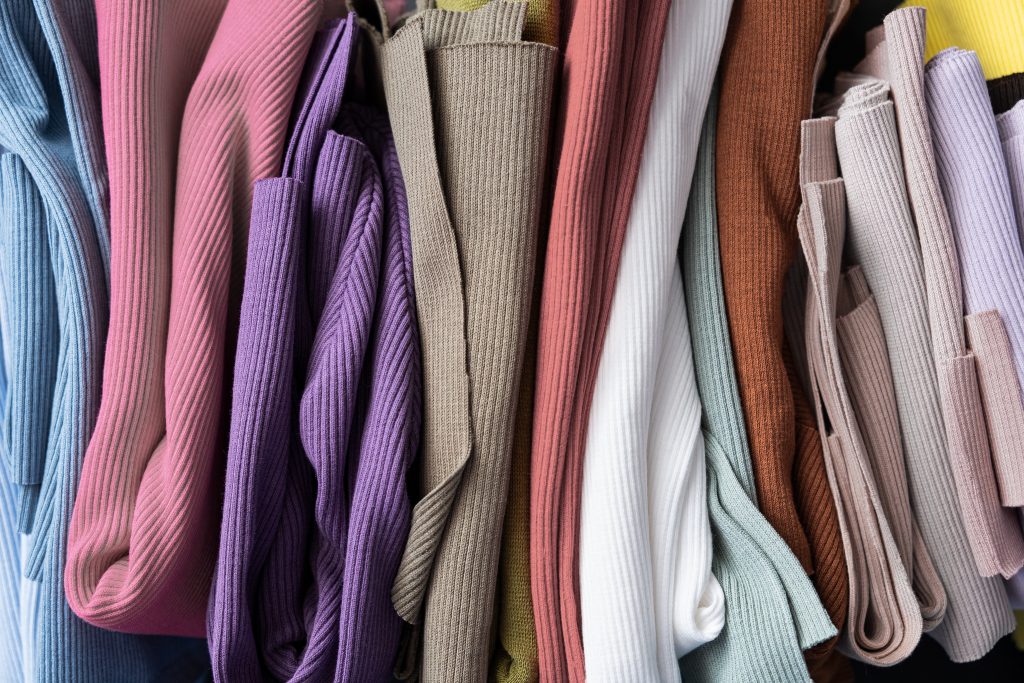
Selecting the perfect fabric for your custom apparel might seem like a minor detail, but it can make or break your final product. The right fabric affects how your design looks, how comfortable the garment feels, how long it lasts, and even how much you’ll pay. Whether you’re creating custom t-shirts for your business, designing team uniforms, or launching a merchandise line, understanding fabric options is essential. Why Fabric Choice Matters The fabric you choose impacts everything from print quality to wearer satisfaction. A design that looks stunning on 100% cotton might appear dull on polyester. Similarly, a fabric that’s perfect for outdoor events might be uncomfortable for all-day indoor wear. Making an informed fabric choice ensures your custom apparel meets your goals and keeps people coming back for more. Cotton: The Classic Choice Cotton remains the most popular fabric for custom printed apparel, and for good reason. It’s soft, breathable, and comfortable against the skin. Pure cotton absorbs moisture well, making it ideal for everyday wear and warmer climates. 100% cotton works beautifully with both screen printing and DTG printing methods. The natural fibers absorb ink well, producing vibrant, long-lasting prints. Cotton also has a premium feel that many people prefer, especially for retail merchandise or corporate apparel. However, cotton has some drawbacks. It shrinks more than synthetic fabrics (typically 3-5% after the first wash), wrinkles easily, and takes longer to dry. Pure cotton garments also tend to be more expensive than blended options. For custom apparel printing projects where comfort and print quality are priorities, cotton is hard to beat. It’s excellent for casual wear, promotional items, and situations where that soft, natural feel matters most. Polyester: The Performance Fabric Polyester is a synthetic fabric known for its durability and performance characteristics. It’s moisture-wicking, meaning it pulls sweat away from the body, making it the go-to choice for athletic wear and activewear. This fabric is incredibly durable, resistant to shrinking and stretching, and dries quickly. Polyester holds its shape well and resists wrinkles, making it ideal for custom embroidered sports jerseys, workout shirts, and outdoor event apparel. The trade-off? Polyester doesn’t breathe as well as cotton, can feel less soft against the skin, and may retain odors more readily. It also presents some challenges for certain printing methods—DTG printing on 100% polyester can be tricky and may require specialized equipment. Polyester excels for athletic teams, fitness apparel, outdoor workers, or any situation where performance and durability outweigh the need for softness. Cotton-Polyester Blends: The Best of Both Worlds Blended fabrics combine different materials to balance their strengths and minimize weaknesses. The most common blend is 50/50 cotton-polyester, though you’ll also find 60/40 and 80/20 ratios. These blends offer a middle ground: softer than pure polyester but more durable than pure cotton. They shrink less than 100% cotton, dry faster, resist wrinkles better, and typically cost less than premium cotton shirts. Blends work well with most printing methods and offer good color retention. The 50/50 blend is versatile enough for almost any application—company uniforms, event shirts, casual wear, or promotional products. If you need one fabric that works for diverse audiences and purposes, a cotton-poly blend is often the safest choice. Tri-Blend: The Premium Option Tri-blend fabrics typically combine cotton, polyester, and rayon (usually in a 50/25/25 ratio). The result is an incredibly soft, lightweight fabric with a vintage, worn-in feel right out of the package. Tri-blends drape beautifully, resist wrinkles, and have become increasingly popular for retail apparel and premium branded merchandise. They offer excellent printability and the prints tend to have a softer, more integrated look. The main downside is cost—tri-blend shirts are typically the most expensive option. They’re also slightly more delicate than pure cotton or poly blends, and the fabric’s texture can sometimes affect print vibrancy. Choose tri-blend for premium custom clothing, retail merchandise, or situations where you want to make a strong impression with garment quality. Fabric Weight: Understanding GSM Fabric weight is measured in GSM (grams per square meter) or ounces. Understanding weight helps you choose the right garment for your needs. Lightweight fabrics (3.5-4.5 oz or 120-150 GSM) are breathable and comfortable in warm weather but may be somewhat transparent. They’re perfect for summer events, promotional giveaways, or layering pieces. Medium weight fabrics (5-6 oz or 170-200 GSM) are the industry standard for most custom t-shirts. They offer good opacity, durability, and comfort across most seasons. Heavyweight fabrics (6+ oz or 200+ GSM) feel more substantial and luxurious. They’re less likely to show wear, provide better opacity, and work well for retail merchandise or premium corporate apparel. However, they’re warmer and may be uncomfortable in hot weather. Special Considerations for Different Applications For corporate uniforms and workwear, prioritize durability and easy care. Cotton-poly blends or performance polyester work well, especially in medium to heavyweight options. These fabrics withstand frequent washing and maintain their appearance over time. For retail merchandise and fashion apparel, fabric quality directly impacts perceived value. Consider 100% cotton or tri-blend in medium weight for that premium feel customers expect. For sports teams and athletic wear, moisture-wicking polyester or polyester-dominant blends are essential. Look for fabrics specifically designed for performance, often with added features like anti-microbial treatments. For promotional items and giveaways where budget is crucial, lightweight cotton-poly blends offer the best value while still providing decent quality and print results. Matching Fabric to Printing Method Your chosen printing method influences fabric selection. Screen printing works on virtually any fabric type, producing excellent results on cotton, polyester, blends, and even performance fabrics. DTG printing performs best on 100% cotton or high cotton-content blends (at least 60% cotton). The water-based inks absorb into natural fibers more effectively, producing softer, more vibrant prints. If you’re planning embroidered apparel, consider tighter weaves and medium-to-heavyweight fabrics that can support the stitching without puckering. Making Your Final Decision Start by identifying your primary goal. Is it comfort? Durability? Performance? Budget? Your top priority should guide your fabric choice. Consider your audience and how they’ll
Why Your Small Business Needs Branded Apparel (And How to Get Started)
You’ve probably seen it countless times—employees wearing company shirts at local events, teams sporting matching jackets, or business owners in branded polo shirts meeting with clients. Branded apparel is everywhere, but if you’re running a small business, you might be wondering whether it’s really worth the investment. The short answer? Absolutely. Branded apparel offers benefits that go far beyond just looking professional. From building brand recognition to fostering team unity, custom clothing can be one of the most cost-effective marketing tools in your arsenal. Walking Billboards: The Marketing Power of Branded Apparel Every time someone wears your company shirt, they’re advertising your business. Unlike digital ads that disappear after someone scrolls past, or billboards that stay in one location, branded apparel travels wherever your team goes. Think about the exposure. Your employee stops for coffee on the way to work—everyone in that café sees your logo. They run errands during lunch—more potential customers see your brand. They wear the shirt to their kid’s soccer game on the weekend—dozens of parents in your community are exposed to your business. This organic, repeated exposure builds brand recognition over time. People begin to recognize your logo and associate it with your business, even if they haven’t used your services yet. When they eventually need what you offer, your brand is already familiar to them. The best part? After the initial investment in custom t-shirt printing, there are no ongoing costs. One quality branded shirt can provide thousands of impressions over its lifetime, making the cost per impression incredibly low compared to traditional advertising. Professionalism and Credibility First impressions matter tremendously in business. When your team shows up to a job site, trade show, or client meeting wearing matching corporate & team apparel, you immediately appear more professional and established. Branded clothing signals that you take your business seriously. It shows you’ve invested in your company’s image and care about how you’re perceived. This professionalism translates into trust—customers feel more confident working with a business that presents itself well. For service-based businesses, this is particularly important. If you’re sending employees to customer homes or businesses, branded shirts help customers easily identify your team members. This identification factor provides security and peace of mind for your clients. Branded apparel also helps level the playing field for small businesses competing against larger companies. When your three-person team shows up in coordinated, professional attire, you project an image of competence and reliability that can rival much bigger competitors. Building Team Unity and Company Culture Branded apparel isn’t just about external perception—it significantly impacts your internal culture too. When employees wear company gear, they feel like part of something bigger than themselves. This sense of belonging fosters team unity and pride in the organization. Employees become brand ambassadors who are more likely to speak positively about your company in their personal and professional networks. Matching apparel also breaks down hierarchical barriers. When everyone from the CEO to the newest hire wears the same company shirt, it creates a sense of equality and shared purpose. This can improve communication, collaboration, and overall morale. Cost-Effective Brand Building When you compare branded apparel to other marketing channels, the return on investment is remarkable. A single billboard might cost hundreds or thousands of dollars per month. A quality branded shirt costs $15-30 and can be worn dozens of times over years. Let’s do some quick math. A $20 branded t-shirt worn twice a week for a year provides roughly 100 wearings. If each wearing exposes your brand to just 20 people, that’s 2,000 impressions for $20—or one penny per impression. Few marketing tactics can compete with that efficiency. Working with a trusted custom apparel provider also gives you flexibility to start small and scale up. You don’t need to order hundreds of items upfront. Begin with a few key pieces for yourself and core team members, then expand as budget allows. Getting Started: What Types of Apparel to Consider Not all branded apparel serves the same purpose, so think strategically about what makes sense for your business. T-shirts are the most versatile and affordable option. They work for casual environments, outdoor events, team-building activities, and everyday wear. Screen printing makes them cost-effective for larger quantities, while DTF & DTG transfers work well if you’re starting with smaller batches. Polo shirts offer a step up in formality. They’re perfect for client-facing roles, trade shows, or businesses where you want to look professional but not overly formal. Adding your logo through custom embroidery gives polo shirts a premium, durable finish that elevates your brand image. Hoodies and jackets provide year-round utility in most climates. They’re excellent for outdoor work, cooler weather, or as premium employee gifts. The larger surface area also allows for more prominent branding. Hats are affordable, practical, and highly visible. They’re particularly effective for businesses in construction, landscaping, or any outdoor industry where sun protection matters. Choosing the Right Design for Your Brand Your branded apparel design should align with your overall brand identity. If your logo and brand colors are already established, use them consistently across all apparel. Keep designs relatively simple for maximum versatility. A clean logo on the chest or left chest area works for almost any situation. You can add additional elements like taglines or website URLs, but simpler designs tend to be more wearable. Consider where and how the apparel will be worn. Casual businesses can embrace fun, creative designs with multiple colors. More conservative industries might stick with subtle logo placement and classic styling. Color selection matters too. Choose shirt colors that complement your logo and represent your brand well. If your logo is dark, lighter colored shirts often provide the best contrast. Deciding on Quantities and Budget For very small teams (1-5 people), start with 2-3 pieces per person. This gives everyone options and ensures people aren’t wearing the same shirt constantly. Medium-sized teams (6-20 people) can benefit from ordering in larger quantities to get better per-piece pricing. Consider 24-50 pieces initially, which
Corporate Swag Ideas That Employees Will Actually Wear
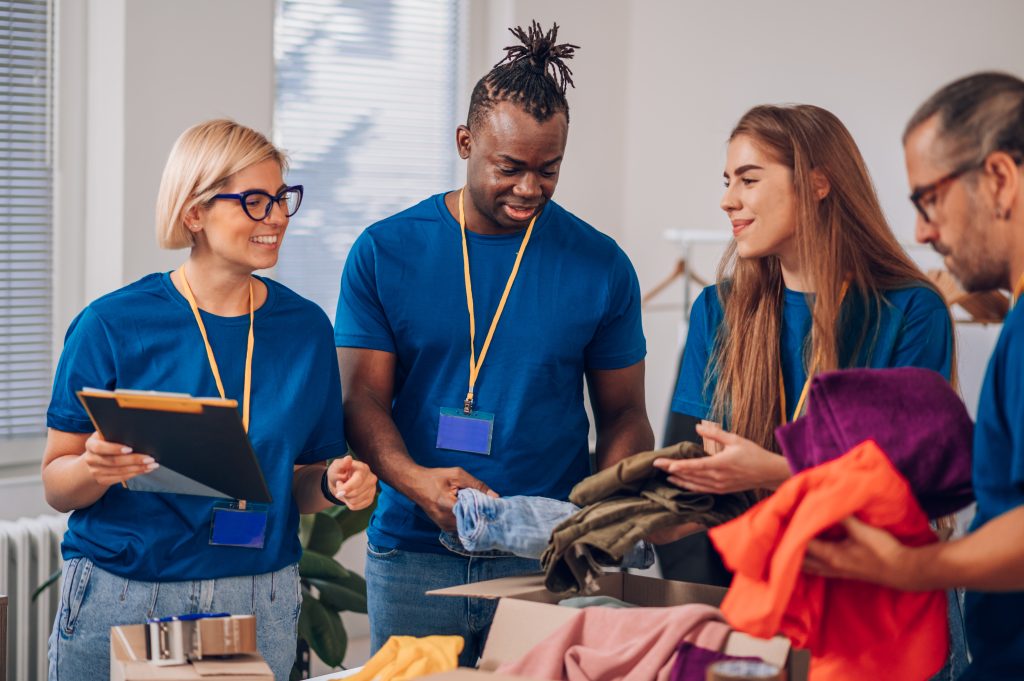
Let’s be honest—most corporate swag ends up in the back of a closet or the bottom of a drawer. That scratchy polo shirt with the oversized logo? Never worn. The cheap pen that stops working after three uses? Tossed in the trash. The generic tote bag? Maybe used once. But it doesn’t have to be this way. When done right, corporate swag can boost morale, strengthen company culture, and turn your employees into enthusiastic brand ambassadors. The key is choosing items people genuinely want to use and wear. Let’s explore corporate swag ideas that your employees will actually appreciate and incorporate into their daily lives. Why Quality Matters More Than Quantity The biggest mistake companies make with corporate swag is prioritizing quantity over quality. Ordering 500 cheap items might seem like a better value than 100 premium ones, but those cheap items often go unused and reflect poorly on your brand. Employees can immediately tell the difference between a $5 shirt and a $25 shirt. Quality fabric feels better, fits better, and lasts longer. When you invest in better materials and construction, people actually want to wear your branded items—not just at required company events, but in their everyday lives. Think about it from your employees’ perspective. Would you rather receive one really nice jacket you’ll wear for years, or five cheap t-shirts that shrink after the first wash? Quality swag shows employees you value them and are willing to invest in their satisfaction. Working with a trusted custom apparel provider ensures you’re getting garments that will hold up to regular wear and washing. Premium items might cost more upfront, but the return on investment—in terms of actual usage and positive brand association—is significantly higher. The Modern Classic: Premium T-Shirts and Polos T-shirts remain a swag staple, but not all t-shirts are created equal. Skip the thin, boxy, basic tees and opt for modern fits in soft, quality fabrics. Tri-blend fabrics offer that worn-in, comfortable feel right out of the package. Heather colors look more sophisticated than solid basics and hide wear better over time. For custom t-shirt printing, consider offering multiple color options rather than forcing everyone into the same shade. Let employees choose between a few coordinating colors that all work with your logo. This small gesture of choice increases the likelihood they’ll actually wear the shirt. Polo shirts elevate the professionalism while remaining comfortable and casual. They’re perfect for client-facing employees or business casual environments. Custom embroidery on polos creates a premium look that lasts longer than printed logos, making them ideal for pieces you want employees to wear repeatedly. Fit matters tremendously. Offer both unisex and fitted options so everyone can find something flattering. Consider extended sizing to ensure all employees feel included and comfortable. Outerwear That Gets Worn Year-Round Quality jackets and hoodies are among the most appreciated swag items because they’re genuinely useful. A well-made jacket becomes a go-to piece that employees reach for constantly—and every time they do, they’re representing your brand. Lightweight fleece jackets work for three seasons and are appropriate for both casual and business settings. They’re perfect for air-conditioned offices, cool mornings, or layering. Soft-shell jackets offer weather resistance for employees who work outdoors or commute in variable weather. Premium hoodies have become workplace-acceptable in many industries and are incredibly popular. Choose quality materials—heavyweight fleece with reinforced stitching—and modern fits. Vintage-washed or enzyme-washed options give that lived-in softness that makes hoodies irresistible. For maximum impact, consider offering outerwear as anniversary gifts or performance rewards rather than giving them to everyone at once. This makes them feel more special and creates something employees look forward to earning. Corporate & team apparel that includes quality outerwear demonstrates a real investment in employee comfort and satisfaction. Beyond Basics: Functional Items People Use Daily The best corporate swag solves real problems or fills genuine needs. Think about what your employees actually use in their daily routines. Water bottles and insulated tumblers are incredibly popular, especially quality stainless steel options that keep drinks cold or hot for hours. Everyone needs to stay hydrated, and a good water bottle gets used daily at work, the gym, or on the go. Employees appreciate practical promo products that serve a real purpose. Backpacks and laptop bags appeal to employees who commute or travel for work. A quality bag with thoughtful features—padded laptop compartments, water bottle pockets, USB charging ports—becomes an essential daily item. Choose subtle logo placement for items employees will use outside of work contexts. Tech accessories like wireless chargers, phone grips, or cable organizers fit seamlessly into modern work life. These items get used constantly and stay visible on desks or in hands throughout the day. Performance athletic wear has broad appeal. Moisture-wicking shirts, athletic shorts, or gym bags encourage healthy lifestyles while extending your brand into employees’ personal time. Many people prefer wearing company athletic gear to the gym over their regular workout clothes. Seasonal and Occasion-Specific Swag Timing your swag to specific seasons or occasions increases relevance and usage. Nobody wants a heavy jacket in July, but they’ll love it in October. Summer items like tank tops, performance tees, or beach towels get used during vacation season and outdoor activities. Branded sunglasses or hats provide sun protection while looking cool at summer events. Winter warmers like beanies, scarves, or touchscreen gloves become daily essentials in colder months. These items get worn repeatedly during their season, providing consistent brand visibility. Holiday gifts show appreciation at year-end. Consider premium items like cozy blankets, nice drinkware, or quality apparel as thank-you gifts that employees can enjoy at home with family. Making Design Choices That Employees Appreciate Even the highest quality item won’t get worn if the design is unappealing. Modern employees want swag that looks good, not just functional billboards for your company. Keep logos appropriately sized. Huge logos screaming across the chest are a major turnoff. Subtle left-chest placement or small sleeve prints feel more like premium branded merchandise than corporate uniforms. Think about how
Planning a Festival or Event? Here’s Your Custom Merch Timeline

You’re planning a festival, concert, charity run, conference, or community event. The venue is booked, performers are lined up, and tickets are selling. But have you thought about custom merchandise? Whether you’re selling t-shirts as a revenue stream or giving away branded items to attendees, proper planning makes all the difference between seamless execution and last-minute scrambling. Custom merchandise takes time to design, produce, and deliver. Rush orders cost more and limit your options. The good news? With the right timeline, you can avoid stress, maximize quality, and ensure your merch arrives exactly when you need it. Let’s walk through the ideal timeline for planning custom merchandise for your event. 3-4 Months Before Your Event: Concept and Design Phase Start planning your merchandise as soon as your event dates are confirmed. This might seem early, but it gives you time to make thoughtful decisions rather than rushed compromises. Begin by defining your merchandise goals. Are you selling items to generate revenue? Giving them away to create buzz and brand recognition? Rewarding VIP ticket holders or volunteers? Your objectives shape everything from design to quantities to budget. Consider your audience demographics. A music festival targeting young adults calls for different merchandise than a corporate conference or family fun run. Think about what your attendees would actually want to wear or use beyond the event itself. This is the time to brainstorm design concepts. If you have an event logo or theme, incorporate it into your merchandise design. Keep it simple and memorable—designs that work well on custom t-shirt printing tend to be bold, clear, and not overly complicated. Work with your design team to create mockups. Explore different color combinations, placement options, and garment styles. Get feedback from stakeholders and test designs with a sample of your target audience if possible. Finalize your artwork during this phase. Ensure all files are print-ready with proper resolution and color specifications. If you’re unsure about technical requirements, consult with your printing provider early—they can review files and suggest improvements before production begins. 2-3 Months Before: Finalizing Details and Placing Orders With your designs approved, it’s time to make concrete decisions about what you’re ordering. Choose your garment styles carefully. Screen printing works excellently for bulk event merchandise because the per-unit cost decreases with larger quantities, making it ideal for festivals and events where you need hundreds or thousands of items. T-shirts are the most popular event merchandise for good reason—they’re affordable, universally wearable, and offer great visibility. Consider offering multiple colors to appeal to different preferences and create variety in the crowd. Tank tops work well for summer outdoor events, while long sleeves or hoodies suit cooler weather or evening concerts. Don’t limit yourself to apparel. Promo products like hats, water bottles, tote bags, or koozies can supplement your merchandise offerings and appeal to people who might not want a shirt. These items often have longer useful lives, keeping your event brand visible long after it ends. Determine your quantities based on expected attendance, demographic makeup, and whether items are free or for sale. For giveaway items, order slightly more than your confirmed attendance to account for volunteers, staff, and last-minute registrants. For merchandise sales, historical data from similar events provides the best guidance, but without that, ordering 15-25% of your expected attendance in various sizes is a reasonable starting point. Get detailed quotes from printing companies. Compare pricing, but also consider turnaround times, quality standards, and their experience with event merchandise. A trusted custom apparel provider who specializes in event work understands the unique pressures and deadlines involved. Place your order at least 8-10 weeks before your event. This timeline allows for standard production without rush fees and provides a buffer for any issues that might arise. Communicate your firm event date clearly so your printer can prioritize your timeline. 6-8 Weeks Before: Production and Quality Control Once your order is placed, production begins. Most custom apparel printing projects take 2-4 weeks for production, depending on order size and complexity. Larger orders naturally require more time. Stay in communication with your printer during this phase. Request updates on production progress and ask about any issues that arise. Good vendors will proactively communicate if they encounter problems, but don’t hesitate to check in periodically. If possible, request a sample or proof before full production begins. This allows you to verify colors, sizing, and print quality. Catching issues at this stage prevents costly mistakes on your entire order. Some printing companies include samples in their process, while others charge a small fee—either way, it’s worth the investment for large event orders. For events using custom embroidery on items like hats or polo shirts for staff, allow extra production time. Embroidery typically takes longer than printing, especially for detailed designs or large quantities. Consider ordering a small batch of merchandise earlier than the rest if you want to use items for pre-event marketing. Teaser photos of your event merchandise on social media can build excitement and even enable pre-sales. Working with a provider who offers DTF & DTG transfers gives you flexibility for smaller promotional batches while still using screen printing for your bulk order. 4-6 Weeks Before: Delivery and Inventory Management Plan for your merchandise to arrive 3-4 weeks before your event. This cushion protects you from shipping delays, quality issues that require reprints, or last-minute quantity adjustments. Inspect everything immediately upon delivery. Check print quality, verify colors match your expectations, and ensure sizes are distributed as ordered. Try on samples to confirm sizing runs true. If you discover problems, you have time to work with your printer on solutions. Organize your inventory systematically. Sort by size, style, and color. Create a clear inventory sheet tracking what you have. This organization prevents chaos when you’re setting up merchandise booths or distribution tables at the event. If you’re pre-selling merchandise, begin fulfilling those orders. Early sales generate revenue before the event and build excitement among attendees who’ll arrive wearing your gear. For very large events,
5 Design Mistakes That Ruin Custom T-Shirts (And How to Avoid Them)
You’ve got a great idea for custom t-shirts. Maybe it’s for your business, an upcoming event, or a new merchandise line. But between concept and final product, design mistakes can turn your vision into a disappointing reality. The good news? Most of these errors are easily preventable once you know what to watch for. Let’s walk through the five most common design mistakes that ruin custom t-shirts and how you can avoid them to ensure your shirts look professional and polished. Mistake #1: Using Low-Resolution Images This is the most frequent problem we see. Someone finds a logo online, grabs it from their website, or screenshots an image from social media, then expects it to print beautifully on a shirt. The result? Blurry, pixelated designs that look amateurish and cheap. Images on screens look fine at low resolutions because screens use fewer dots per inch (DPI). But printing requires much higher resolution—typically 300 DPI at the actual print size. That small logo that looks crisp on your website at 72 DPI will fall apart when enlarged to chest-print size. Here’s how to avoid this mistake: always use vector files (AI, EPS, or PDF formats) when possible. Vector graphics are made of mathematical paths rather than pixels, so they can be scaled to any size without losing quality. If you only have raster images (JPG, PNG), make sure they’re at least 300 DPI at the size you want them printed. Before submitting your design for custom apparel printing, zoom in on your image file to 100% or more. If it looks fuzzy or pixelated on your screen, it will look worse when printed. When in doubt, ask your printer to review your files before production begins. Mistake #2: Ignoring Color Mode and Color Matching You spent hours getting your brand colors perfect on your computer screen. Then your shirts arrive and the colors look completely different. What happened? Screens display colors using RGB (red, green, blue) light, while printing uses CMYK (cyan, magenta, yellow, black) inks or Pantone spot colors. RGB has a wider color range than CMYK, meaning some vibrant screen colors simply can’t be reproduced in print. Additionally, colors appear different on various fabric colors. A design that pops on a white shirt might look muddy on navy blue. The same green can look vastly different on black versus heather gray. To avoid color disappointment, convert your designs to CMYK or specify Pantone colors from the start. Pantone is a standardized color matching system that ensures consistency across different printers and materials. If exact color matching is critical for your brand, communicate this with your screen printing services provider and request a physical sample or proof before full production. Remember that screen colors are always approximate. If you’re creating custom printed apparel for a brand with strict color guidelines, work closely with your printer to nail down exact color specifications. Mistake #3: Choosing the Wrong Design Placement and Size A beautifully designed graphic can still fail if it’s poorly positioned or sized incorrectly. Too small and it gets lost. Too large and it overwhelms the garment or looks tacky. The standard chest print for adult shirts typically ranges from 10 to 14 inches wide, centered about 3-4 inches below the collar seam. Full front designs can go larger, usually maxing out around 12-14 inches wide. Back prints often work well at 11-14 inches wide, positioned a few inches below the collar. However, these are just starting points. Youth sizes need smaller designs. Women’s fitted shirts may require different placement than unisex cuts. Sleeve prints, pocket prints, and other placements each have their own sizing considerations. The mistake many people make is designing on a computer without considering the actual garment dimensions. A design that looks balanced on an 8.5×11 inch document might look completely different on a shirt. Get a physical shirt in the style you’re ordering and use tape or paper cutouts to visualize your design placement before finalizing. Consider how the design looks when someone is wearing the shirt, not just laying flat. Account for seams, pockets, and how the fabric drapes on the body. Also think about what happens when your custom t-shirt printing goes on different body types. A design positioned perfectly on a size medium might sit awkwardly on a 3XL. Mistake #4: Overcomplicated Designs with Too Much Detail More isn’t always better. Designs crammed with tiny text, intricate details, and excessive elements often result in muddy, unclear prints that are difficult to read from any distance. Small text is a particular culprit. That witty tagline in 6-point font might be legible on your computer screen, but it will be unreadable when printed on fabric. As a general rule, keep text at 12-point minimum, and larger if possible. Simple, bold fonts work better than delicate scripts for custom clothing. Overly complex illustrations with fine lines can also cause problems, especially with certain printing methods. Those hairline details might disappear entirely or bleed together during production. The solution? Simplify. Edit ruthlessly. Every element in your design should serve a purpose. If removing something doesn’t hurt the overall impact, it probably doesn’t need to be there. Create hierarchy in your design. What’s the most important element—your logo, a message, an image? Make that the focal point and let supporting elements remain clearly secondary. Use appropriate font sizes, with your main message significantly larger than any supplementary text. Step back from your design regularly, literally and figuratively. View it from across the room. Does it still communicate clearly? If you can’t tell what it says or what it’s about from 10 feet away, it’s too complex. Mistake #5: Forgetting to Account for Garment Color and Fabric Type Your design doesn’t exist in a vacuum—it needs to work with the shirt color and fabric you’ve chosen. This is where many otherwise good designs fall apart. Dark designs on dark shirts create contrast problems. Black text on navy blue might be readable up close but disappears from a distance. Similarly, white or light yellow on light gray can
Best Custom T-Shirt Printing in Orlando, Florida: What to Look For
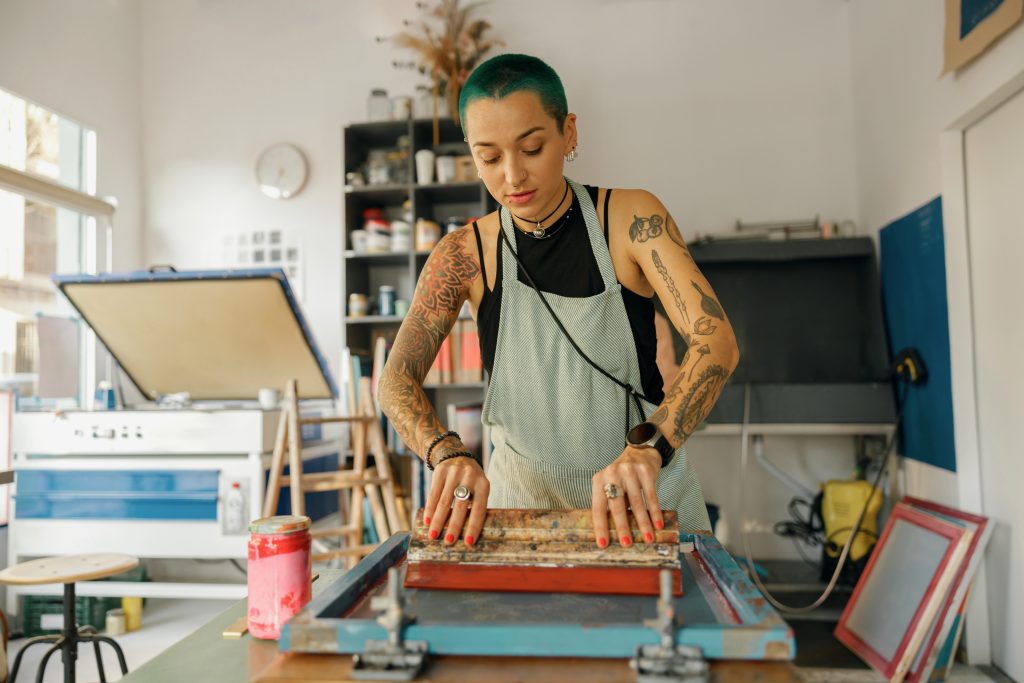
Finding the right custom t-shirt printing company in your area can feel overwhelming. A quick online search probably returned dozens of options, each claiming to offer the best quality, fastest turnaround, and lowest prices. So how do you separate the truly great providers from the mediocre ones? Whether you’re ordering shirts for your business, an upcoming event, a sports team, or personal use, choosing the right printing partner makes all the difference. Let’s walk through the key factors you should consider when searching for the best custom t-shirt printing services in your city. Quality of Work: See Before You Believe The most important factor is quality, but it’s also the hardest to judge until you’ve actually placed an order. Smart shoppers do their homework before committing. Start by asking to see physical samples of the company’s work. Photos on a website can be edited and don’t show you the actual feel of the fabric or the durability of the print. A reputable printer should be happy to show you sample garments or even provide you with a physical sample of your design before full production begins. Look closely at the print quality. Are the colors vibrant and accurate? Are the edges clean and crisp, or do they look fuzzy? Check the feel of the print—is it soft and flexible, or does it feel thick and plasticky? Examine how the print has held up over time if you’re looking at older samples. Pay attention to fabric quality too. The best custom apparel printing isn’t just about what goes on the shirt, but the shirt itself. Feel the material, check the stitching, and consider whether the garments meet your standards for comfort and durability. Range of Services and Printing Methods Different projects require different printing methods. A company that only offers one type of printing limits your options and may not be the best fit for all your needs. Look for a provider that offers multiple decoration methods. Screen printing works great for large orders with simple designs. DTF & DTG transfers excel at complex, full-color artwork or small batches. Custom embroidery adds a premium, professional touch to polo shirts and jackets. Vinyl transfers work well for individual names, numbers, or small quantities. The best printing companies can recommend the right method for your specific project rather than pushing you toward whatever service they happen to offer. They’ll consider your design complexity, order quantity, budget, and intended use to guide you to the best solution. Beyond basic t-shirts, does the company offer a variety of apparel options? Can they print on hoodies, tank tops, long sleeves, hats, or bags? A diverse product selection means you can get everything you need from one source. Customer Service and Communication Great customer service separates good printing companies from great ones. From your first inquiry to final delivery, how you’re treated matters. Pay attention to how well they explain the process. Do they take time to understand your needs, or do they rush you through a transaction? Do they offer design assistance if you need it? Are they willing to review your files and provide feedback before production? Communication during production is equally important. Will you receive updates on your order status? Can you contact them if you have questions or concerns? The best companies keep you informed throughout the process and make you feel like a valued customer, not just another order number. Pricing Transparency and Value Price matters, but the cheapest option isn’t always the best value. Understanding what you’re paying for helps you make smart decisions. Look for transparent pricing with no hidden fees. Can you get a clear quote upfront that includes all costs—setup fees, art fees, shipping, and any other charges? Be wary of companies that aren’t forthcoming about their pricing structure. Compare quotes carefully. A lower per-shirt price might come with higher setup fees, lower quality garments, or additional charges that make the total cost higher than it initially appeared. Consider the total project cost, not just the unit price. Value goes beyond price. Sometimes paying a bit more for better quality garments, superior prints, or excellent customer service is worth it, especially for corporate & team apparel that represents your brand or organization. Ask about discounts for larger orders or repeat customers. Many companies offer better pricing as quantities increase, and establishing a relationship with a good printer can lead to savings on future projects. Turnaround Time and Reliability When do you need your shirts? Different companies offer different production timelines, and meeting your deadline is crucial. Standard turnaround times typically range from 7-14 business days for most orders, though this varies by company and project complexity. Ask about their typical production schedule and whether they can accommodate rush orders if needed. Reliability matters as much as speed. A company that promises a quick turnaround but consistently misses deadlines is worse than one that gives you a realistic timeline and delivers on time. Check reviews specifically mentioning whether orders arrived when promised. Some situations demand fast service. If you need promo products for an upcoming trade show or event shirts on a tight deadline, find out if the company offers rush services and what those cost. A local printer who can expedite your order might be worth a premium when time is critical. Design Assistance and Art Services Not everyone comes to the table with print-ready artwork. The ability to help customers with design needs adds tremendous value. Does the company offer design services? Can they create artwork from scratch if you only have a concept? Will they recreate your logo if you don’t have proper files? Understanding what design support is available—and what it costs—helps you plan accordingly. Some companies include basic design assistance in their pricing, while others charge separate art fees. Know what you’re getting and what additional costs might apply if your files need work. Technology and Equipment The equipment a company uses directly impacts the quality of your final product. While you don’t
What’s the Difference Between DTF and DTG Printing?

When you’re exploring options for custom apparel, you’ll likely encounter two popular digital printing methods: DTF (Direct-to-Film) and DTG (Direct-to-Garment). Both technologies have revolutionized the custom printing industry, but they work differently and excel in different situations. Understanding the differences between these methods helps you choose the right approach for your project, ensuring the best quality and value for your investment. Let’s break down what sets DTF and DTG apart and when each method makes the most sense. How DTG Printing Works Direct-to-Garment printing works exactly like its name suggests—ink is sprayed directly onto the fabric using specialized inkjet technology. Think of it as a sophisticated printer designed specifically for textiles instead of paper. The process starts with pre-treating the garment, especially if it’s a dark-colored fabric. This pre-treatment creates a base layer that helps the ink adhere properly and appear vibrant. The shirt is then placed on a platen, and the DTG printer applies water-based ink directly to the fabric fibers. Finally, the garment goes through a heat press to cure the ink and ensure durability. DTG printing excels at reproducing complex, detailed designs with unlimited colors. Photographs, intricate artwork, and designs with gradients or subtle color variations look stunning with this method. Because the ink absorbs into the fabric fibers, the print feels soft and lightweight—you barely notice it’s there. This technology works best on 100% cotton or high cotton-content fabrics. The natural fibers absorb the water-based inks beautifully. However, DTG printing can be challenging on polyester or other synthetic materials, which is an important consideration when choosing your garment. How DTF Printing Works Direct-to-Film is a newer technology that takes a different approach. Instead of printing directly on the garment, the design is first printed onto a special film using specialized inks. Adhesive powder is applied to the wet ink, then the film is heat-cured. Finally, the design is transferred from the film to the garment using a heat press. This extra step—printing to film first—gives DTF significant advantages in versatility. The transfers can be applied to almost any fabric type: cotton, polyester, blends, nylon, and even some synthetic materials that don’t work well with DTG. This flexibility makes DTF transfers incredibly popular for diverse product lines. DTF prints have a slightly different feel compared to DTG. There’s a very thin layer on top of the fabric rather than ink absorbed into it, though modern DTF produces much softer prints than older transfer methods like vinyl. The finish is smooth and durable, with excellent color vibrancy on both light and dark garments. One unique advantage of DTF is that transfers can be printed and stored, then applied to garments as needed. This enables on-demand production and quick turnaround times for smaller orders or custom individual pieces. Print Quality and Detail Comparison Both methods produce high-quality results, but they have different strengths. DTG generally offers slightly better detail reproduction for extremely intricate designs with fine lines or subtle gradients. The direct application allows for precise dot placement, similar to printing a high-resolution photo on paper. DTF has caught up significantly in recent years, though. Modern DTF technology produces remarkably detailed prints with vibrant colors and sharp edges. For most designs, the quality difference is negligible to the average observer. Color vibrancy is excellent with both methods. DTG colors can appear slightly more muted on dark garments because they’re absorbed into the fabric, even with white underbase. DTF often produces more vibrant, saturated colors on dark fabrics because the transfer sits on top of the material. Both methods handle full-color designs easily, making them superior to traditional screen printing for complex artwork. There are no additional charges for adding more colors, unlike screen printing where each color requires a separate screen. Fabric and Garment Compatibility This is where DTF and DTG diverge significantly. DTG works beautifully on natural fibers, particularly 100% cotton. Cotton-poly blends work okay if they’re at least 60% cotton, but print quality and durability decrease as polyester content increases. Pure polyester is generally not suitable for DTG printing. DTF works on virtually everything. Cotton, polyester, tri-blends, nylon, spandex blends, even some leather and specialty materials accept DTF transfers. If you’re creating corporate & team apparel that includes various garment types—cotton t-shirts, polyester performance wear, and nylon jackets—DTF provides the consistency to use the same printing method across all items. Garment color matters more for DTG than DTF. DTG on dark garments requires white underbase pre-treatment, which adds steps, cost, and can affect the softness of the final print. DTF handles light and dark garments with equal ease, requiring no special preparation for dark colors. Durability and Wash Performance Both methods produce durable prints when done correctly, but their longevity characteristics differ slightly. DTG prints, being absorbed into the fabric, can last for years with proper care. The main enemy is aggressive washing—hot water and harsh detergents can gradually fade DTG prints. Washing inside-out in cold water and avoiding high-heat drying extends their life significantly. DTF prints are extremely durable and resistant to cracking or peeling. Because the transfer is bonded to the fabric surface rather than absorbed into it, DTF often outlasts DTG in heavy-wash situations. The adhesive technology has advanced tremendously, creating bonds that withstand repeated commercial washing. For items that will be washed frequently, like work uniforms or athletic wear, DTF typically provides better longevity. For retail merchandise or casual wear that’s washed less aggressively, both methods perform excellently. Cost Considerations Pricing varies based on design size, garment type, and order quantity, but some general patterns exist. For very small quantities (1-10 pieces), DTF is often more cost-effective because transfers can be produced and applied quickly without extensive setup. DTG also works for small batches but requires individual garment pre-treatment for dark colors. For medium quantities (25-100 pieces), pricing is often comparable between the two methods. Your specific design and garment choice may tip the balance one way or another. For very large quantities (200+ pieces), traditional screen printing usually becomes the most